
Introduction
Temp Mail is a temporary email service for creating disposable inboxes without registering for a traditional account. The public site positions Temp Mail as a way to keep a personal email address private when signing up for websites, trying services, verifying accounts, or avoiding unnecessary inbox clutter.
The product is most relevant for privacy-conscious users, testers, developers, and people who frequently need short-term email addresses for low-commitment online activity. Its visible strength is quick access: the page presents an inbox, refresh option, pricing plans, language options, and FAQ content directly on the site.
Key Features
- Disposable email addresses: Temp Mail lets users generate temporary email addresses for short-term use cases such as signups, trials, and account verification.
- No registration requirement: The site states that users can get a temporary mail address without registration and access an inbox immediately.
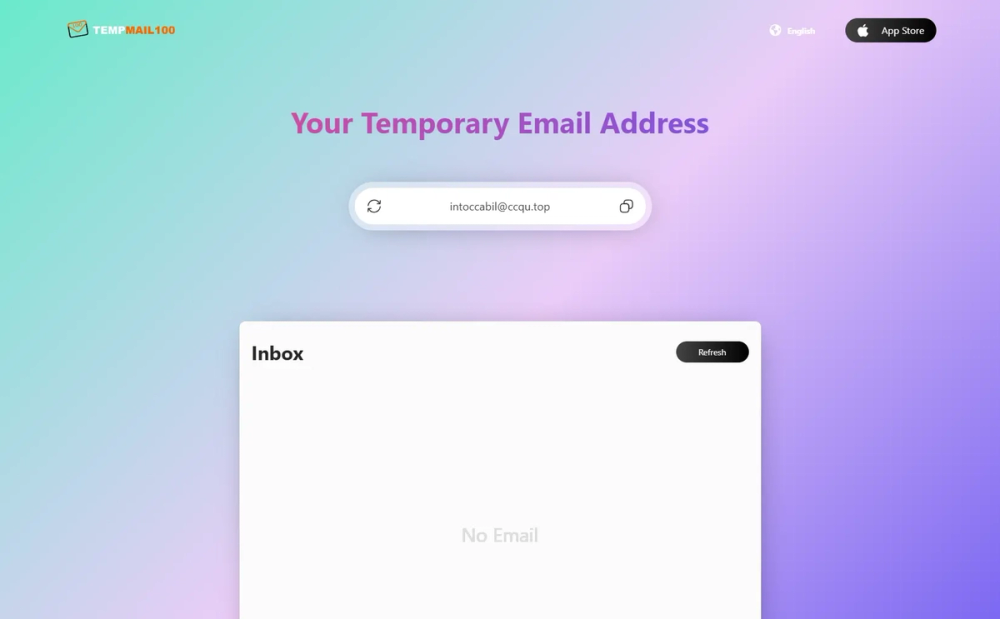
- Inbox access and refresh: The homepage displays a temporary email inbox area with a refresh option, making the core workflow visible from the start.
- Privacy-focused positioning: The public copy emphasizes protecting a personal inbox, reducing spam, and maintaining more control over online identity.
- Free and paid plans: The pricing section lists a free plan and a Premium plan with additional benefits such as unlimited address switching, dedicated premium domains, favorite addresses, and no ads.
- Multi-language interface signals: The site shows language options including English, Chinese, French, German, Japanese, Korean, Russian, Spanish, Turkish, Italian, Portuguese, and Czech.
Use Cases
Temp Mail is useful when a user needs to register for a website but does not want to expose a personal or work email address. This can apply to one-time downloads, trial accounts, community access, newsletter previews, or services that require email verification before showing full functionality.
It also appears useful for people testing applications or email-related workflows. The About page describes professionals testing email functionality in applications, which makes the service relevant for developers or QA teams that need temporary addresses without creating many permanent inboxes.
For marketers, founders, or researchers signing up for many tools while evaluating platforms, Temp Mail can reduce clutter in a primary inbox. The practical caveat is that temporary email may not be appropriate for important accounts, billing access, password recovery, or services where long-term inbox ownership is required.
Pricing
Temp Mail publishes a free plan at $0 per month and a Premium plan at $5 per month on its public pricing area. The free plan is described with private address ownership plus enhanced privacy and security. The Premium plan adds unlimited address switching every day, dedicated premium domains, private address ownership, enhanced privacy and security, favorite addresses, and no ads. The site also states that TempMail100 provides free temporary mailboxes forever and mentions a 3-day cooling-off period for refunds, with no refund offered after that period. Readers should review the current pricing section before subscribing because plan terms and billing options may change.
User Experience and Support
The site presents the core experience plainly: users land on a temporary email page, see their inbox area, and can refresh it. Community comments shown on the page describe the interface as clean, smooth, and useful for quick signups, although those comments should be treated as site-displayed testimonials rather than independent verification.
Support signals are mostly handled through on-page FAQ content rather than a clearly visible help desk. The FAQ explains what temporary mail is, where it can be used, whether used addresses are reassigned, whether the mailbox is free, and how the refund cooling-off period works. Users who need account-specific help, paid-plan support, or data handling clarification should check for the latest contact or support route before purchasing.
Technical Details
Temp Mail's visible technical function is temporary email address generation with immediate inbox access. The site states that users can generate disposable addresses in seconds and that used addresses will not be assigned to others, supported by a claim that the service has built-in tens of billions of email addresses.
The available pages do not show an API, browser extension, SDK, or integration documentation. For developers, the product may still be useful for manual testing of signups and email flows, but teams needing automated testing, API access, domain controls, retention policies, or compliance documentation should verify those details directly with the service.
Pros and Cons
Pros
- No registration is required for basic temporary email access.
- Free plan is clearly visible, with Premium pricing shown on the public page.
- Useful for reducing spam when signing up for low-stakes services or trials.
- FAQ content answers several practical questions about temporary mail, reassignment, and refunds.
- Multi-language options make the service more accessible to international users.
Cons
- Temporary email should not be used for important accounts that require long-term recovery access.
- API, integration, and developer automation details are not clearly visible in the fetched evidence.
- Support appears FAQ-led, so paid users should verify direct support options before subscribing.
- Privacy and security language is prominent, but readers should review actual policies before using it for sensitive activity.
- Some benefits, such as dedicated premium domains and favorite addresses, appear tied to the paid plan.
FAQ
What is Temp Mail used for?
Temp Mail is used to create temporary email addresses for short-term online activity. It is useful for website registrations, service trials, account verification, privacy protection, and avoiding spam in a personal inbox.
Who is Temp Mail best suited for?
It is best suited for users who need quick disposable inboxes, including privacy-conscious individuals, people testing online services, marketers signing up for many platforms, and professionals checking email functionality in applications.
Does Temp Mail require registration?
The public page says no registration is required. Users can generate a temporary email address and access an inbox immediately, which is one of the service's clearest visible benefits.
How much does Temp Mail cost?
The site shows a Free plan at $0 per month and a Premium plan at $5 per month. The Premium plan adds benefits such as unlimited address switching, dedicated premium domains, favorite addresses, and no ads.
Can a used temporary email address be assigned to someone else?
The FAQ states that TempMail100 has built-in tens of billions of email addresses to ensure used addresses will not be assigned to others. Users relying on this for anything sensitive should still review the latest service terms and privacy information.
Is Temp Mail suitable for important accounts?
Temporary email is better suited to short-term or low-risk signups than important accounts. For banking, work systems, paid subscriptions, or services where password recovery matters, a durable personal or business email address is usually safer.
Does Temp Mail offer support documentation or an API?
The visible pages include FAQ-style help content, but they do not clearly show API documentation, SDKs, or integration details. Developers who need automated email testing or programmatic access should confirm those capabilities before depending on the product.
Conclusion
Temp Mail offers a direct way to create disposable email addresses for quick signups, trial accounts, privacy protection, and spam reduction. Its public site makes the basic workflow, pricing, and FAQ answers easy to find, which is helpful for users who need a temporary inbox without a long setup process.
The service is strongest for short-term email needs, not for accounts that require durable ownership or recovery access. Before using it for sensitive workflows or paid-plan features, readers should verify support, privacy, and technical details on the official site.